 how-to
7 Steps to Vet Painting Contractors for Large Commercial Projects
Last Updated: November 4, 2026
Quick Summary
Vetting painting contractors for large commercial projects means verifying licensing and insurance with the issuing bodies, calling references from similar commercial buildings, and comparing every proposal line by line for prep work, named coatings, crew size, schedule, and written warranty. A bid that comes in dramatically below the others usually reflects a narrower scope, not a better deal.
- The U.S. painting and wall covering contractors industry is a $49.1 billion market with roughly 220,000 businesses.
- Send every bidder the same written scope with photos so bid comparison stays honest.
- Ask bidders to separate labor, materials, equipment, and allowances for unforeseen substrate repairs.
- Collect a certificate of insurance naming the owner as additional insured and verify it with the insurer.
- Build inspection checkpoints like prep sign-off before priming into the schedule, not the end.
Table of Contents
- Why Large Commercial Projects Fail With the Wrong Painting Contractor
- What Commercial Painting Project Planning Looks Like Before Bids Go Out
- How to Compare a Commercial Painting Proposal Line by Line
- What Drives Commercial Painting Cost on Multi-Floor and Multi-Unit Buildings
- How to Vet Exterior Commercial Painting Contractors Before You Sign
- Scheduling and Phasing Work Around Occupied Buildings and Tenants
- Safety, Compliance, and Quality Checks That Protect the Project
- Request a Free Estimate From Signature Coastal Coatings
- Frequently Asked Questions
Why Large Commercial Projects Fail With the Wrong Painting Contractor
The U.S. painting and wall covering contractors industry is a $49.1 billion market with roughly 220,000 businesses, according to IBISWorld's industry report. That scale hides a problem: most of those businesses are small. Workyard's painting industry statistics reports that 13.8% have one to four employees, which means the crew that paints a house well may not have the capacity for a multi-floor building. Choosing painting contractors for large commercial projects is a different job than hiring a residential painter. The wrong hire can turn a straightforward repaint into a scheduling crisis or a budget overrun. Below, we break down the seven-step vetting process we would use on any large commercial job, from planning and bids to scheduling, safety, and final acceptance.
What Commercial Painting Project Planning Looks Like Before Bids Go Out
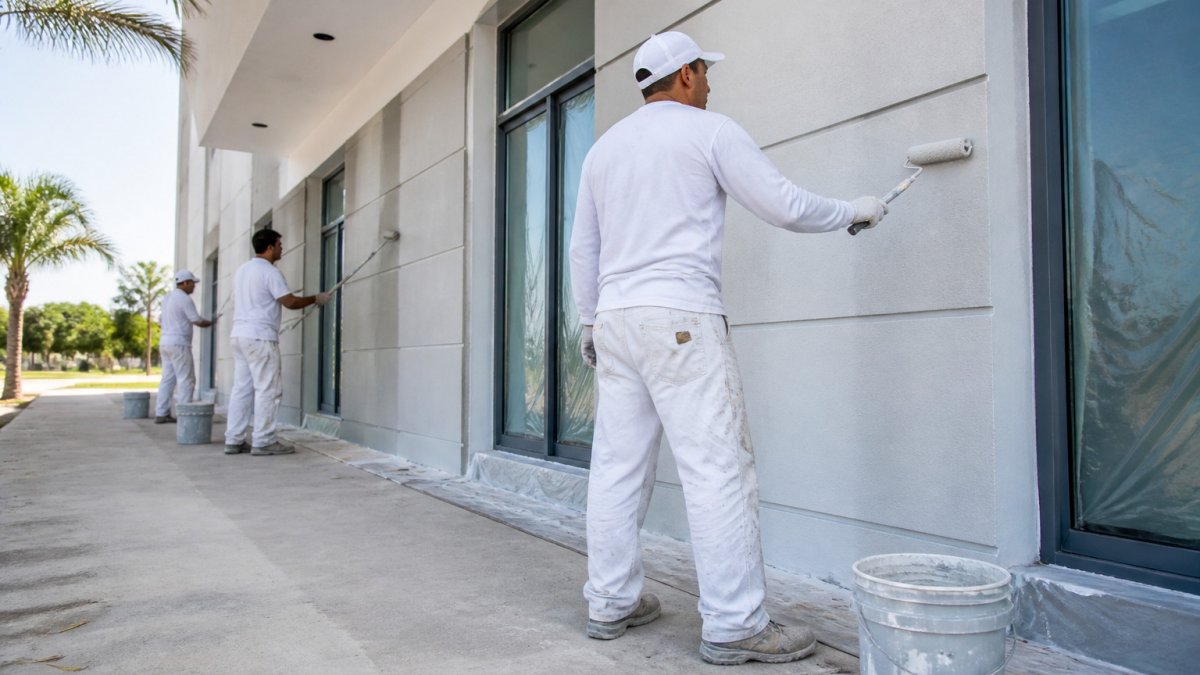
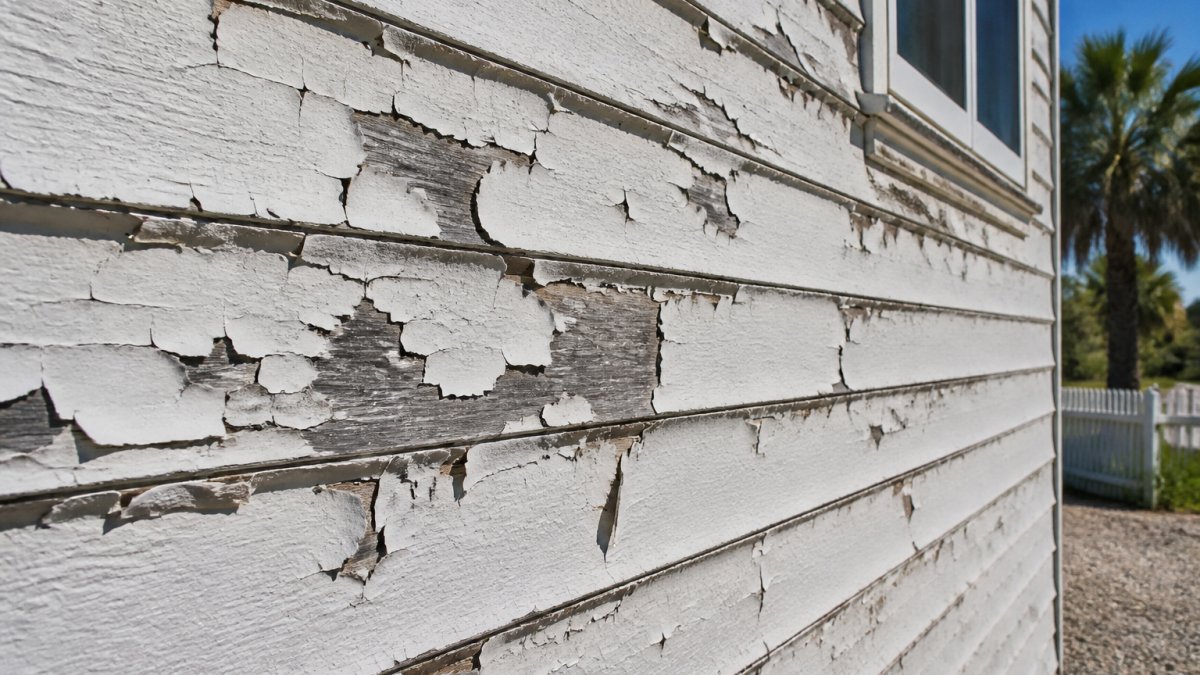
Commercial painting project planning starts long before a contractor shows up. The building owner or property manager defines the project scope first: which surfaces get painted, what condition they are in, and what the coating must withstand. A coastal building faces salt air and humidity, so the paint system matters as much as the labor. Surface preparation requirements belong in the scope too. Skipping this step is a common mistake. Contractors then bid against vague descriptions, and the lowest number wins for the wrong reason. Write the scope down, include photos of damaged siding and any surface repairs needed, and send the same document to every bidder. That single habit makes bid comparison honest.
How to Compare a Commercial Painting Proposal Line by Line
A commercial painting proposal should be read like a contract, not a brochure. Look for these elements in every bid:
- Surface preparation spelled out: pressure washing, scraping, patching, priming
- Paint systems named: product, sheen, and number of coats per surface
- Labor and crew size: how many painters, and for how long
- Schedule with start and completion dates
- Insurance certificates and licensing
- Payment terms tied to milestones
- Warranty language in writing
A proposal that lists one lump sum with no breakdown is a red flag. You cannot compare it to anything, and you cannot hold anyone to a standard that was never written down. Ask each bidder to resubmit in the same format.
| Bid Element | Weak Proposal | Strong Proposal |
|---|---|---|
| Prep work | "Prep as needed" | Named steps: wash, scrape, patch, prime |
| Coatings | "Premium paint" | Product name, sheen, coat count |
| Schedule | "2-3 weeks" | Dated start, phases, completion |
| Insurance | Not mentioned | Certificate attached |
| Warranty | Verbal promise | Written terms and duration |
What Drives Commercial Painting Cost on Multi-Floor and Multi-Unit Buildings
Commercial painting cost is driven by labor, access, and coating selection far more than by the price of paint itself. On large buildings, labor and access routinely account for the majority of the bid, which is why two contractors quoting the same square footage can land in very different places.
The main cost drivers on multi-floor and multi-unit buildings:
- Access and height: Swing stages, mast climbers, boom lifts, and scaffolding carry rental, setup, and inspection costs. A six-story facade may need equipment that a two-story building never touches, and equipment mobilization is often a separate line item.
- Surface condition and preparation: Washing, scraping, patching, caulking, and priming are labor-intensive and frequently the largest single line in a repaint. A building with failing caulk joints or chalky substrate needs more prep than the square footage suggests.
- Coating system: Standard acrylic wall coatings, elastomeric coatings, and specialty or protective coatings sit at different price points. Higher-build and protective systems cost more per gallon and often require additional coats, but they can extend the repaint cycle.
- Square footage and surface complexity: Flat walls price differently than surfaces broken up by windows, louvers, railings, and architectural detail. Complex geometry slows production rates.
- Occupancy and schedule constraints: Night and weekend work, phased access, and tenant coordination add labor and supervision. An occupied building is never as efficient as an empty one.
- Site logistics: Parking, staging, material storage, and elevator or roof access all affect how many hours a crew can actually paint.
A practical way to budget is to ask each bidder to separate labor, materials, equipment, and allowances for unforeseen substrate repairs. A repair allowance, a stated dollar amount the contractor can draw on if hidden damage is found, keeps a firm number honest without forcing the contractor to pad the base bid.
Watch out: a bid that comes in dramatically below the others usually reflects a narrower scope, less prep, fewer coats, or a lower-grade coating, rather than a better deal. Compare the scope line by line before you compare the totals.
Lifecycle cost matters as much as first cost. A coating system that costs more upfront but delivers a longer service life can be the cheaper choice over a ten-year horizon, especially on buildings where access equipment and occupant disruption make each repaint expensive.
How to Vet Exterior Commercial Painting Contractors Before You Sign
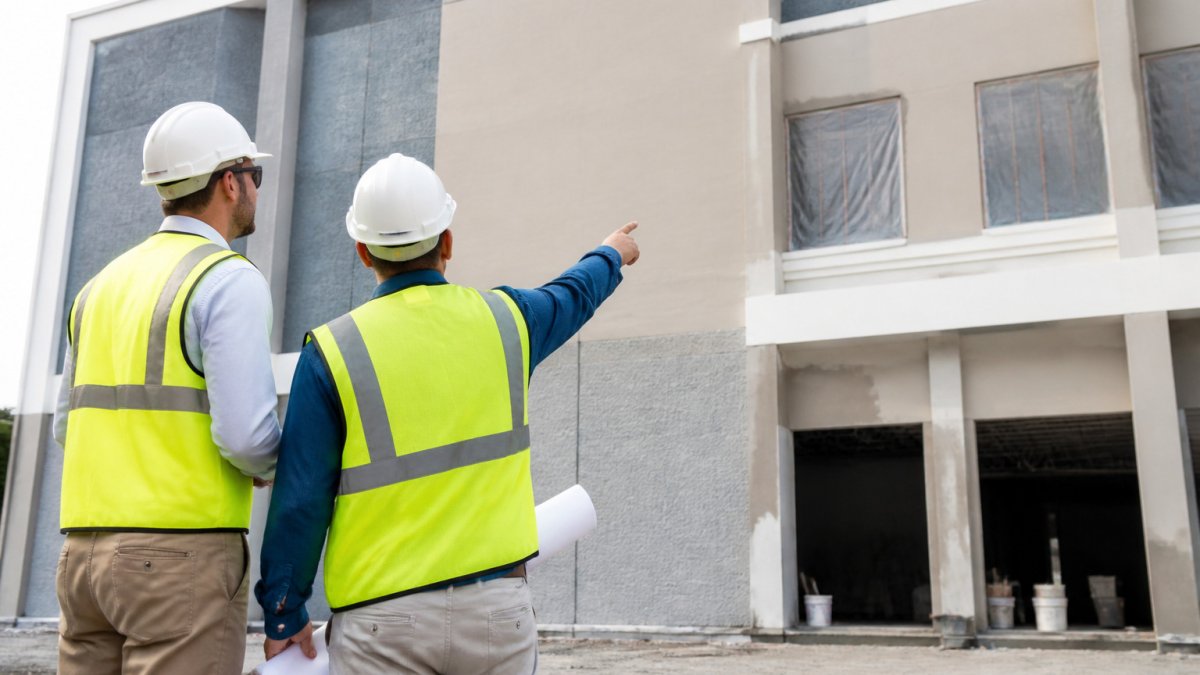
Vetting exterior commercial painting contractors comes down to evidence. Ask for the contractor's license and insurance certificate, then verify both with the issuing body. Request references from commercial buildings of similar size, and call them. Ask specifically whether the crew finished on schedule and whether callbacks were handled promptly. Check years of experience and whether the company has enough crew to staff your job. For a deeper walkthrough of this process, see our guide on how to hire commercial painters for your property.
Scheduling and Phasing Work Around Occupied Buildings and Tenants
Scheduling is where large commercial projects succeed or fall apart. A building full of tenants cannot lose access to entrances, parking, or work areas for weeks at a time. Phasing is one way to manage this, with work done one area at a time and coordinated with building operations. Efficient scheduling also means realistic timelines. For detailed tactics, read our guide on painting commercial buildings without disruption and our breakdown of commercial painting project timeline management.
Safety, Compliance, and Quality Checks That Protect the Project
Safety and quality on a large commercial painting project are documented, not promised. Before work starts, collect the paperwork that shifts risk away from the owner and onto the contractor where it belongs, and write acceptance criteria into the contract so closeout is a checklist rather than an argument.
Insurance and compliance documents to collect before mobilization:
- Certificate of insurance showing general liability and workers' compensation coverage, with the owner or property manager named as an additional insured where appropriate. Verify limits and expiration dates, and confirm the certificate comes directly from the contractor's insurer or agent.
- Licensing: confirm the contractor holds the license required for the work and jurisdiction, and verify it with the issuing authority rather than relying on a number printed on a proposal.
- Written site-specific safety plan covering fall protection, scaffold and lift inspection, ladder use, hazardous coatings, and emergency procedures. A generic corporate safety manual is not the same as a plan written for your building.
- Safety Data Sheets for every coating and solvent used on site, kept accessible to the crew and to building management.
- Subcontractor list, since the crew that shows up may not be the contractor's own employees.
Quality assurance and measurable acceptance criteria:
Build inspection checkpoints into the schedule rather than saving everything for the end. Common checkpoints include substrate preparation sign-off before priming, primer approval before finish coats, and in-progress coverage checks. Acceptance criteria worth writing into the contract:
- Surface preparation standard: the spec should state what clean, dry, and sound means for each substrate, and how moisture is tested before coating.
- Coating application: product name, sheen, and number of coats per surface, with dry film thickness verified where the coating manufacturer specifies it.
- Adhesion and appearance: adhesion checks where specified, plus finish consistency, color match, and freedom from runs, sags, and holidays.
- Punch list and closeout: a joint walkthrough at substantial completion, a written punch list with a correction deadline, and a warranty document that states duration, coverage, and exclusions.
Watch out: skipping the preparation sign-off is the most common way a project reaches closeout with coating failures that are expensive to trace and harder to assign. Photograph each checkpoint and keep the record with the project file.
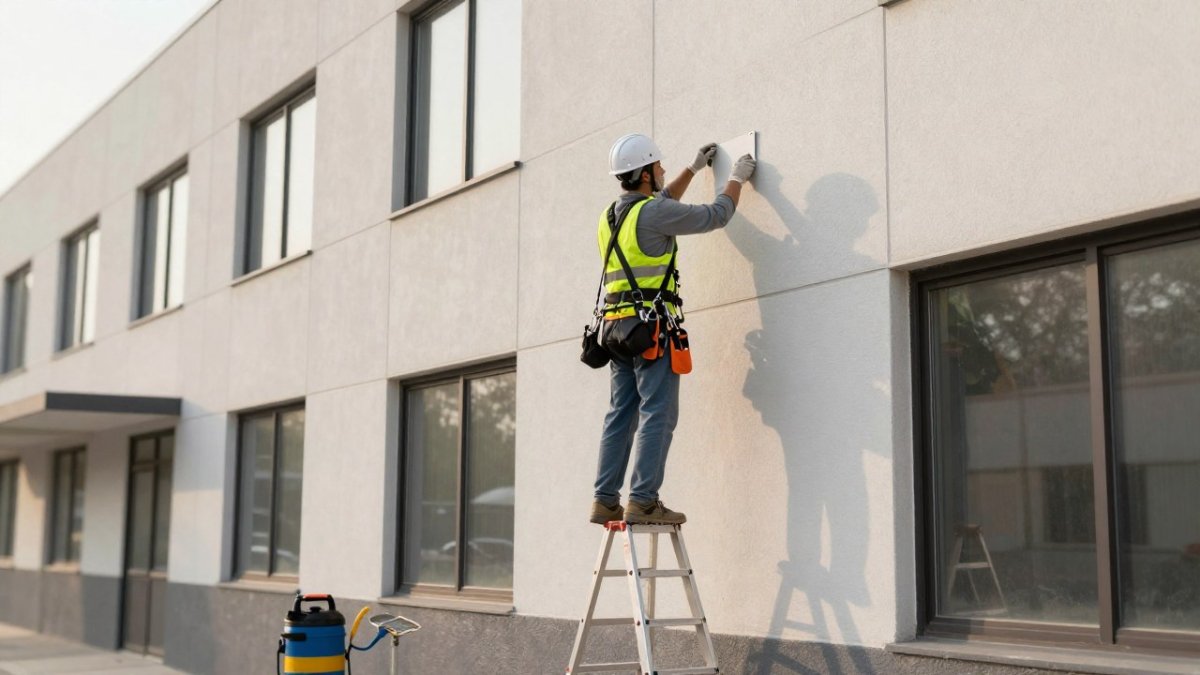
OSHA fall-protection requirements apply to multi-floor exterior work, and the contractor's plan should show how crews on lifts and scaffolds are protected. Ask who supervises safety on site and how incidents are reported. For a closer look at how moisture affects exterior coatings, see our guide on protecting commercial buildings from humidity.
Request a Free Estimate From Signature Coastal Coatings
The right contractor makes a large commercial project predictable. The wrong one costs you a season. If you manage commercial properties and want a crew that treats scheduling, safety, and surface preparation as seriously as you do, Signature Coastal Coatings is veteran-owned, licensed and insured, and we limit our project load so every job gets full attention. We bring over a decade of trade experience and specialized knowledge of Florida's coastal climate. Request a free estimate and get a clear scope, a realistic schedule, and transparent pricing before you commit.
Frequently Asked Questions
How do I choose a contractor for a large commercial painting project?
Start with licensing and insurance: ask for the license number and a certificate of insurance naming your property. Then check that the contractor has managed multi-floor or multi-unit jobs of similar size, request references from building owners or property managers, and compare at least three written proposals line by line. Look for a defined scope, surface preparation steps, coating products by name, a phasing schedule, and a warranty. Experience on large commercial projects is the filter that matters most.
What should a commercial painting proposal include?
A complete commercial painting proposal lists the surfaces to be painted, the square footage or unit count, surface preparation methods, and the exact coating products and number of coats. It should also state the project schedule and phasing plan, how occupied spaces will be protected, who supplies power and water, payment terms, and the warranty. Ask for the proposal to separate labor and materials so you can compare bids fairly. If a proposal is a single page with one lump sum, request a revised version before signing anything.
How much do painters charge for commercial painting?
Pricing depends on building size, surface condition, coating system, access equipment, and how much work must happen after hours. There is no single rate that applies across large commercial projects. Instead of shopping on price alone, ask each contractor to break out labor, materials, surface preparation, and access costs so you can see what drives the number. Signature Coastal Coatings provides a free estimate.
How can commercial painting work be scheduled to minimize business disruption?
Phasing is the main tool. A contractor should divide the building into zones and schedule work around tenant hours, often painting occupied interiors in the evening or on weekends. Exterior work can often be planned around business hours. Ask for a written schedule with start and finish dates per zone, a plan for odor and dust control, and a single point of contact for facility operations. Contractors who cannot describe their phasing approach in writing rarely deliver minimal disruption in practice.
Most commercial painting problems trace back to a bid nobody read closely or a schedule nobody verified. Start with the scope, compare every proposal line by line, and check the safety record before you sign. Get started with Signature Coastal Coatings and protect your building with a finish built for the coast.