 how-to
Get Professional Coastal Painting Estimate
Table of Contents
- Why a Professional Coastal Painting Estimate Matters
- How to Request a Free Estimate
- Preparing Your Property for an In-Home Estimate
- What to Include in Your Painting Estimate Checklist
- Questions to Ask a Painting Contractor Before Hiring
- How to Compare Painting Estimates and Evaluate Scope of Work
- Understanding Exterior House Painting Cost Factors
- Coastal-Specific Conditions That Affect Your Estimate
- Frequently Asked Questions
Last Updated: October 7, 2026
Why a Professional Coastal Painting Estimate Matters
A professional coastal painting estimate isn't just about price. It's about knowing what you're paying for and whether the contractor understands your coastal environment. At Signature Coastal Coatings, we understand the importance of a detailed assessment to avoid mid-project issues.
A proper coastal painting estimate does three things: it forces a detailed inspection of your property's condition, breaks down exactly what work is needed and why, and gives you a baseline to compare other quotes against. Without it, you're gambling with your property's protection.
The difference between a coastal painting estimate and a standard one matters enormously. Coastal properties face salt spray, humidity, UV exposure, and temperature swings inland homes don't. A contractor who ignores these factors will recommend standard paint or prep that fails within a few years. A professional coastal painting estimate reflects the specialized approach required to make your finish last.
How to Request a Free Estimate
Requesting a free estimate is straightforward, but the quality of your request determines the quality of the estimate. Start by calling or visiting the website of a painter you're considering. Most professional contractors offer free estimates as standard.
When you call, describe your project clearly: exterior, interior, or both? Residential, commercial, or property management? How large is the area? The more specific you are upfront, the more accurate the initial assessment.
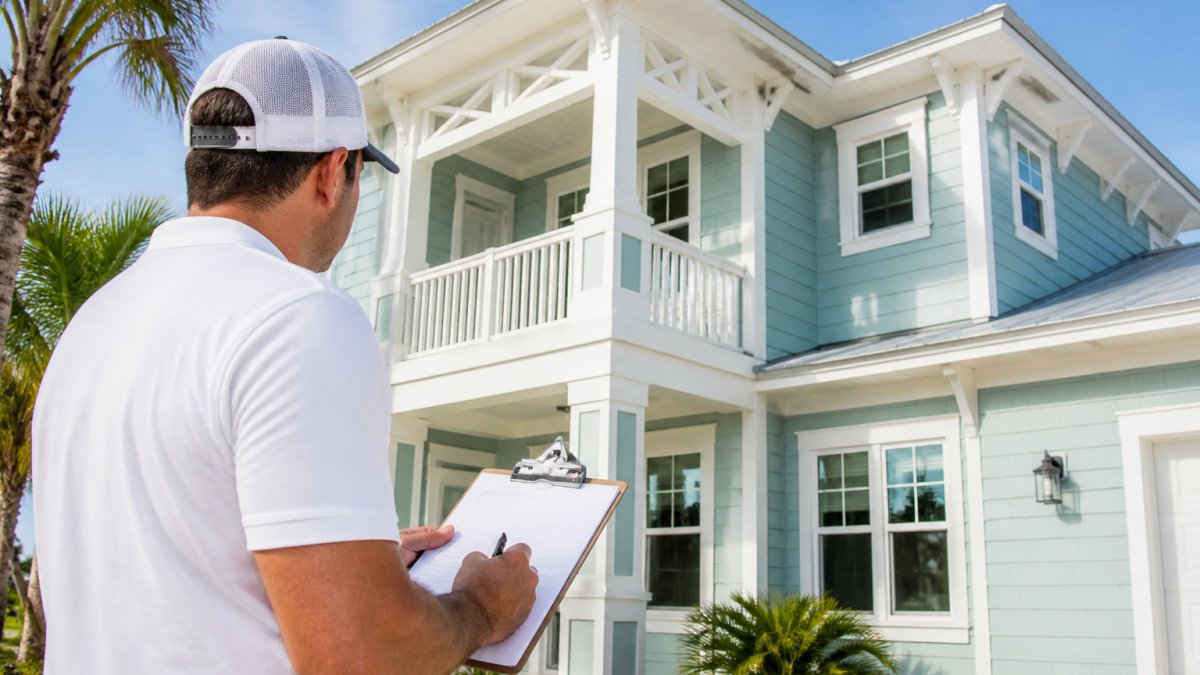
Many contractors offer online estimate requests with basic information and photos. Convenient, but not a replacement for an in-home visit. An online estimate gives a ballpark range; a professional coastal painting estimate requires someone to see your surfaces, assess prep work, and evaluate how coastal conditions have affected the existing paint or substrate.
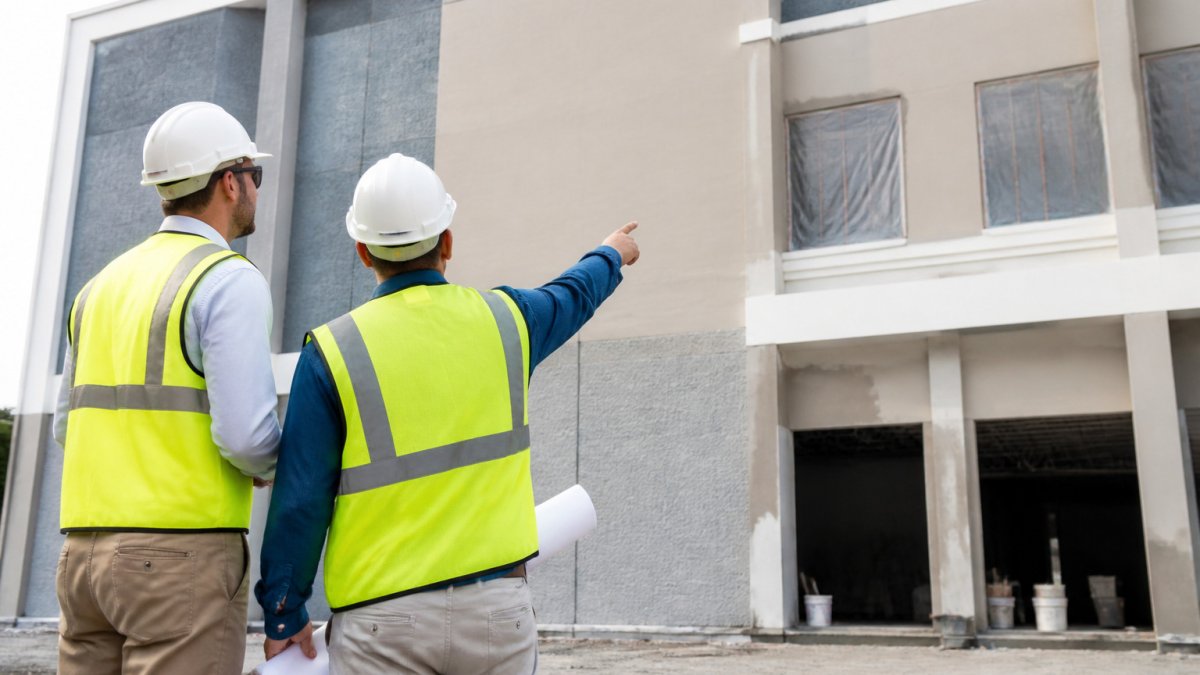
Schedule your estimate when a decision-maker can be present, the business owner, or both spouses if homeowners. The contractor will walk through the project, answer questions, and explain their approach, giving you a chance to judge whether they understand coastal painting challenges.
Preparing Your Property for an In-Home Estimate
Before a contractor arrives, spend 15 minutes preparing. Clear access to all areas to be inspected, make sure the painter can walk the exterior perimeter safely, and remove vehicles from the driveway if the estimate includes garage doors or siding.
Take photos of problem areas beforehand, peeling paint, discoloration, failing finish, and show them during the estimate. The contractor will ask how long you've owned the property, what paint was used, and whether the current finish has had issues. Answer honestly; if previous paint failed quickly, that affects the coastal painting estimate.
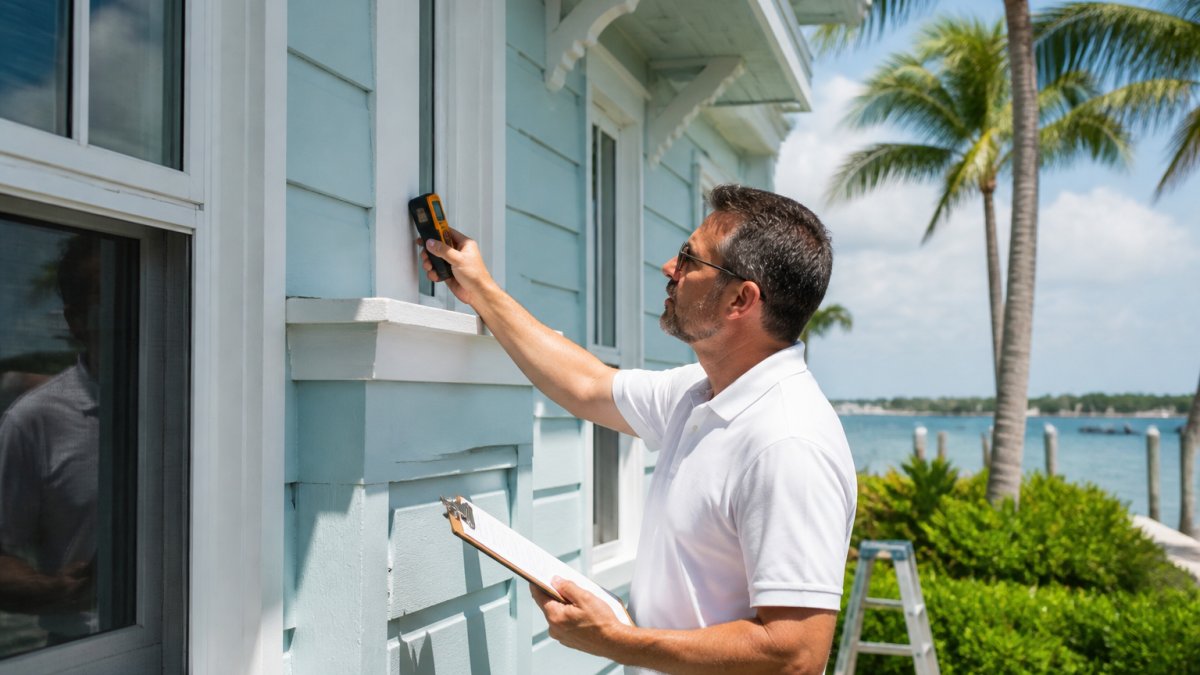
Have your property information ready: square footage of areas to be painted, or at least measurements, and when the property was last painted. For commercial properties, brief the contractor on operational constraints, areas that can't be painted during business hours, tenant notice, safety protocols.
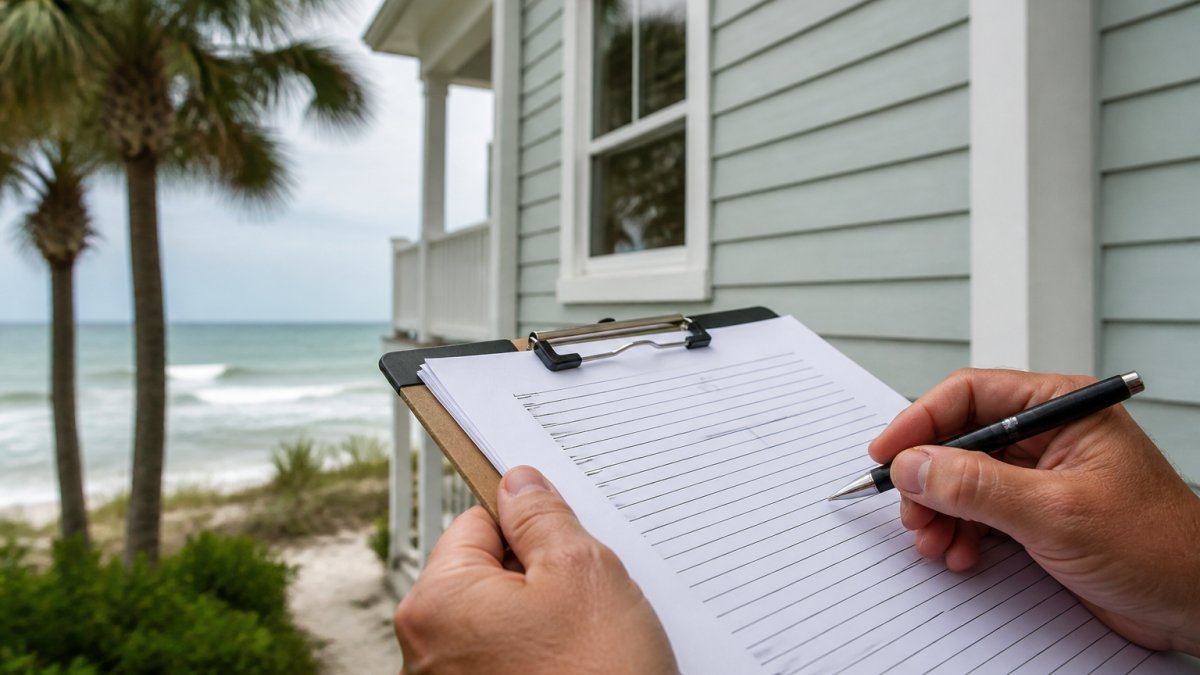
A thorough estimate takes time. A contractor rushing through in 15 minutes isn't doing their job. A proper coastal painting estimate covers measurements, surface condition, moisture issues, and prep requirements.
What to Include in Your Painting Estimate Checklist
A complete painting estimate checklist ensures you're comparing apples to apples across quotes. Verify the estimate includes the scope of work, exactly which surfaces will be painted, which won't, and why, with interior or exterior and room-by-room or area-by-area breakdowns.
Next, check surface preparation details, where coastal painting estimates differ most. The estimate should mention pressure washing, sanding, caulking, primer application, and repairs.
The estimate should state paint specifications: brand, product line, finish type (matte, satin, semi-gloss), and color. For exterior coastal work, this means paint formulated for humidity and salt exposure. Don't accept vague language like "quality exterior paint", demand specific product names.
Labor costs should be broken down by task or area, with line items for prep, priming, painting, trim work, and specialty services. Timeline is crucial: how many days, consecutive or phased?
Materials costs should itemize paint, primer, caulk, sealers, and specialty products, and state whether cleanup and disposal of old paint is included. Warranty information must be in writing: what's covered, for how long, and what voids it.
Finally, the estimate should include the contractor's contact information, license number, insurance details, and whether they're bonded. A professional coastal painting estimate reads like a contract, not a napkin sketch.
| Element | What to Look For | Why It Matters |
|---|---|---|
| Scope of Work | Specific surfaces, areas, interior/exterior | Prevents scope creep and misunderstandings |
| Surface Prep | Pressure wash, sand, caulk, prime details | Coastal prep is different; affects durability |
| Paint Specs | Brand, product line, finish, color | Wrong paint fails in coastal environment |
| Labor Breakdown | Tasks or areas itemized separately | Identifies where costs are concentrated |
| Timeline | Days needed, work schedule, phases | Affects business disruption and planning |
| Materials List | Paint, primer, caulk, specialty products | Ensures quality materials are included |
| Warranty | Coverage, duration, conditions | Protects you if finish fails prematurely |
| Contractor Info | License, insurance, bond status | Verifies legitimacy and accountability |
Questions to Ask a Painting Contractor Before Hiring
Before hiring, ask pointed questions that reveal whether a contractor understands coastal painting. Start with experience: "How many years have you painted in coastal environments?
Ask about their approach to salt air and humidity: "What's your process for removing salt deposits before priming? Do you use a specialty primer for coastal conditions?" If they look confused, they're not a coastal specialist.
Inquire about warranty. "What warranty do you provide on your work? Does it cover paint failure due to salt air exposure? What conditions would void the warranty?" Get this in writing.
Ask about crew and quality control: "Will the same crew finish the job? How do you ensure consistency? Does a supervisor inspect work daily?" For commercial properties, ask about tenant coordination and minimal disruption protocols.
Request to see their insurance and license. "Can you provide proof of current liability insurance and your contractor's license?" Never hire anyone who can't produce these immediately. Ask whether they're bonded, and what that bond covers.
Finally, ask about timeline and delays: "What could cause the project to run longer? How do you communicate delays? What happens if weather impacts the schedule?" Coastal weather delays are common; a professional contractor has protocols for this.
How to Compare Painting Estimates and Evaluate Scope of Work
When you have two or three coastal painting estimates in hand, resist simply picking the lowest price. Compare systematically: first verify all estimates cover the same scope of work. If one includes trim painting and another doesn't, they're not comparable.
Create a comparison table of each contractor's surface prep, paint specifications, labor timeline, and warranty.
Look at how each contractor describes their coastal painting estimate. Do they mention salt air preparation, primer designed for coastal conditions, moisture barriers or specialty sealers? The depth of their explanation reveals their expertise.
Compare warranties carefully: a five-year warranty from a solid contractor means more than a ten-year warranty from an unknown. Check online reviews and call references with specific questions: "Did the paint hold up? How were issues handled?
Consider responsiveness and communication style: did they return your call promptly, answer questions thoroughly, and provide a clear written estimate? These behaviors predict how they'll communicate during and after the project.
A professional coastal painting estimate isn't the cheapest option, it's the one that balances quality, expertise, warranty, and timeline in a way that gives you confidence your property will be protected against coastal conditions for years to come.
Understanding Exterior House Painting Cost Factors
Exterior house painting costs depend on factors that should be itemized in your coastal painting estimate.
Surface condition dramatically affects cost. Well-maintained paint needs less prep than peeling, cracked, or failing finish, and coastal properties often fall into the second category because salt air and humidity accelerate failure.
Surface material affects cost and approach. Wood, vinyl, brick, stucco, and aluminum each respond differently to coastal conditions: wood absorbs moisture and needs sealing, vinyl can warp in heat, stucco is porous and needs specialty primers.
Paint quality is a major cost driver. Premium paints formulated for coastal conditions cost more but last significantly longer in salt air and humidity. Your contractor should recommend paint proven in coastal environments, not whatever's cheapest.
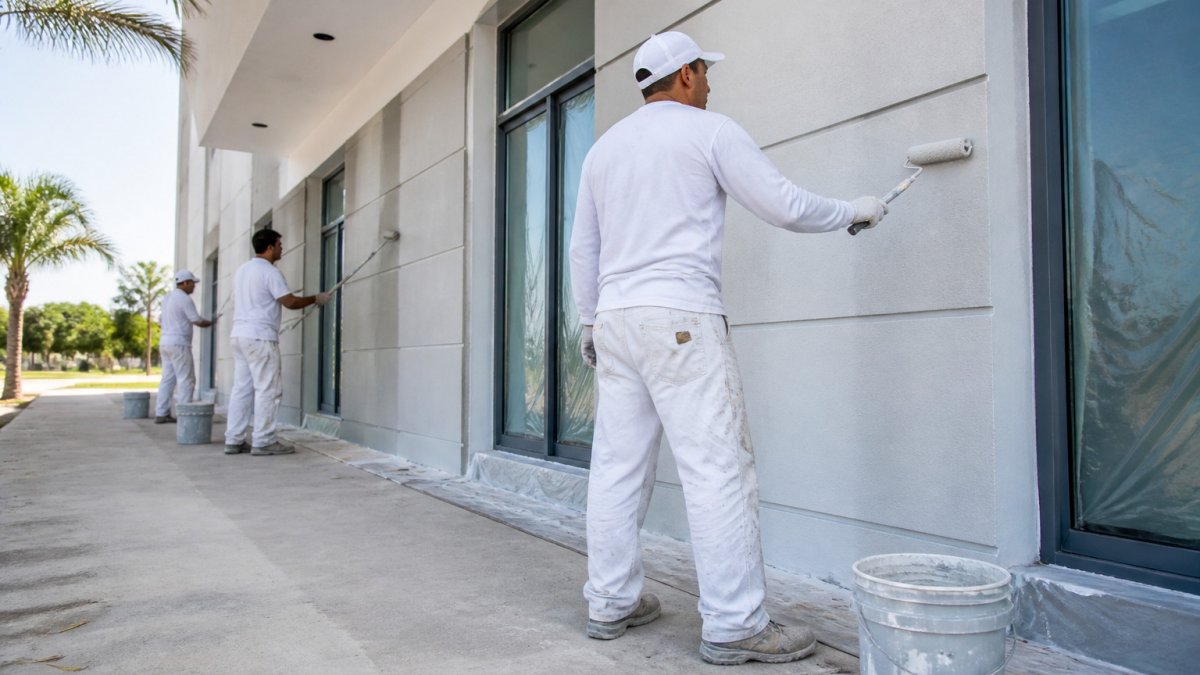
Labor costs depend on complexity. Simple flat walls cost less per square foot than detailed trim, architectural details, or multi-story work requiring scaffolding. Your estimate should break these out so you see where labor costs concentrate.
Timeline affects cost. A two-week project needs different crew scheduling than a six-week one.
Weather and seasonality impact pricing. Coastal rainy and hurricane seasons affect schedules, and contractors may charge premium rates in peak season or discount in slower periods. A professional coastal painting estimate should acknowledge these seasonal factors.
Coastal-Specific Conditions That Affect Your Estimate
Coastal properties face environmental challenges that directly impact painting costs and approach. Salt air is the biggest: salt spray corrodes metal, degrades adhesion, and accelerates failure.
Humidity in coastal areas is relentless. High moisture prevents paint from curing properly, which is why timing matters, painting during low-humidity windows produces better results.
UV exposure is intense near the coast due to reflection off water and sand, accelerating paint degradation. Your coastal painting estimate should recommend UV-resistant formulations and possibly topcoats or sealers that protect against UV damage.
Wind carries salt spray farther inland and accelerates weathering.
Temperature swings between day and night, and between seasons, cause surfaces to expand and contract. Paint that can't flex develops cracks, so the estimate should specify paint with flexibility and adhesion suited to coastal conditions.
Moisture intrusion is common in coastal areas. Surfaces that have absorbed moisture from salt spray or humidity need proper drying and moisture barriers before painting.
Sand and salt deposits prevent paint adhesion, so they must be removed before any primer goes on.
Getting a professional coastal painting estimate is the foundation of a successful painting project. You're not just paying for a price quote, you're paying for expertise, detailed assessment, and a roadmap for protecting your property against coastal conditions.
Frequently Asked Questions
What should a professional painting estimate include?
A complete painting estimate should list the scope of work (exterior, interior, specific rooms or surfaces), square footage, surface preparation details, paint type and quality, labor costs, materials, timeline, warranty terms, and any additional fees. It should also specify whether the estimate covers prep work like caulking, primer, and surface repairs. A detailed estimate prevents misunderstandings and allows you to compare quotes accurately across different contractors.
How do painters calculate the cost of an exterior paint job?
Exterior painting costs depend on square footage, surface condition, prep work required, paint quality, and labor rates. Contractors assess wall condition, existing paint adhesion, wood or stucco damage, and whether pressure washing or sanding is needed. Coastal properties typically require more prep due to salt air damage. Most painters provide hourly rates or per-room pricing; some quote by square footage. Request a detailed breakdown so you understand what drives the final cost.
How many painting estimates should I get?
Get at least two to three estimates from licensed, insured contractors. This allows you to compare scope of work, pricing, timelines, and warranty offerings. Be cautious of estimates that are significantly lower than others, they may reflect lower-quality materials or rushed prep work. Ensure each estimate covers the same scope so you're comparing apples to apples. More estimates take time but protect you from overpaying or hiring an inexperienced contractor.
Why do coastal homes need special surface preparation before painting?
Salt air, humidity, and UV exposure cause rapid paint failure and substrate damage on coastal properties. Thorough surface preparation removes salt deposits, loose paint, mold, and mildew that prevent new paint from adhering properly. Without proper prep, paint peels within months. Professional contractors use pressure washing, sanding, and sometimes chemical treatments to prepare surfaces for coastal conditions. This extra prep work is essential for lasting finishes in salt-air environments and is a key cost factor in coastal estimates.